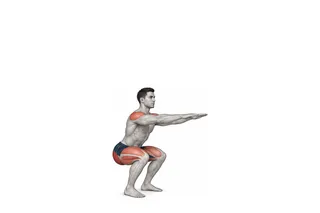
You do not need a complicated training schedule to begin exercising at home. A little clear space, a session that matches your experience and a few familiar movements can give you a practical starting point. The goal is to build a routine you can return to, rather than finish the hardest workout on your first day.
This guide explains how to choose a beginner home workout, use exercise demonstrations and make room for recovery. It is general information for adults, not an individual training prescription.
Choose a session you can manage
Start by looking at the workout’s duration, experience level and equipment. A short session can be a useful introduction, especially if you are returning after a break. “Bodyweight” means your body supplies the resistance; it does not guarantee that every movement is easy or that no mat is needed.
Use the home workout filters to compare available sessions. Read the movement list before pressing start. Pick a routine that suits your available space and what you can comfortably do today. There is no need to change your whole schedule at once.
Learn the movements before starting the timer
An exercise GIF helps you see the movement sequence, but it cannot check your technique or show how a movement feels for you. Open the bodyweight exercise library, read the instructions and look for a gentler option. Pause the demonstration whenever you need more time.
For example, wall push-ups offer a different starting position from floor push-ups. Bird dog has an option to move one arm or one leg at a time. These are examples to explore, rather than exercises everyone must perform.
Prepare a comfortable space
Move loose objects away and choose a stable, clear surface. Keep enough room around you for the movements in your session. If the workout calls for a mat, have one ready. A wall exercise needs a solid wall; do not rely on movable furniture for support.
Give yourself time to become familiar with the positions before increasing your pace. Move within a comfortable range and breathe steadily. Stop a movement if it causes pain. If you have a health condition, injury, are pregnant or are unsure which activity is suitable, seek advice from an appropriate healthcare professional.
Make recovery part of the plan
A plan works better when it includes room to recover and adjust. You can repeat familiar sessions, move a planned workout or take additional recovery time. Completing a checklist is less important than responding to how you feel.
DailyHomeFit’s Men’s challenge has 28 scheduled days, and its Women’s challenge has 30. Both include recovery days. Daily, Weekly and Monthly views show the same saved challenge; changing the view does not start a different plan. You advance by completing your current session or confirming its recovery day.
Look at the whole week
Home workout sessions are one part of an active week. Walking and other activities can also contribute. The NHS advises adults to work toward at least 150 minutes of moderate-intensity activity each week and strengthening activity on two days. These are general weekly guidelines, not a requirement to meet immediately in your first session.
Build up gradually from your current activity level. Read the NHS guide to strength and flexibility for the full guidance and context.
Track consistency without chasing promises
Useful progress can include understanding a movement better, choosing a comfortable routine and returning to it consistently. One session does not guarantee weight loss, and an exercise name does not promise fat loss from a specific body area.
DailyHomeFit records completed challenge workouts in this browser. Progress does not currently sync across devices. Use the record as a simple journal, then choose your next step based on your experience and recovery.
Your next step
Explore the beginner home workouts, open the movements you do not know and choose one manageable session. Keep your first goal simple: learn the routine, move comfortably and leave room to return another day.
Source: NHS, How to improve your strength and flexibility.