
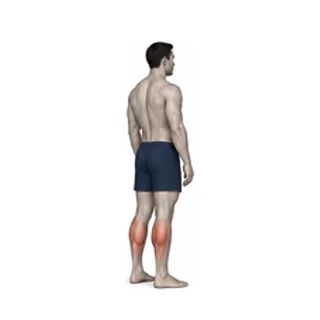
Calf raises involve lifting your heels and returning them to the floor. For a beginner practising at home, deciding where to place support is a useful first step before choosing how many repetitions to do. This guide connects the movement to the actual DailyHomeFit demonstration and explains what to review before moving on to a combined exercise.
Prepare the support first
The NHS strength-exercise guide describes calf raises with hands resting on a chair back for stability. Its general setup advice is to use a sturdy chair without wheels that cannot slide. It recommends a comfortable heel lift performed slowly and gives five repetitions as a starting example. This is general guidance, not an individual prescription.
Place the support where you can use it throughout the lift and return. Clear the floor around your feet. If the chair slides, or the surface underneath feels unreliable, change the setup before practising. A rolling office chair is not a substitute for stable support.
Read the demonstration as one complete cycle
Open our calf-raise exercise page. Its instructions describe rising onto the balls of the feet, pausing, and lowering the heels slowly, with a wall available for balance if needed. Read those instructions before following the repeating animation.
1. Begin with both heels on the floor and your chosen support in reach. 2. Lift the heels through a comfortable range without chasing the picture’s apparent height. 3. Return with control and finish the repetition before beginning another.
The preview loops automatically. Its restart is a display feature, not a signal that you must keep going. You can watch a full cycle, stop watching and decide whether the movement suits your current circumstances. A short animation cannot assess your balance or technique.
Keep the basic movement separate from a combination
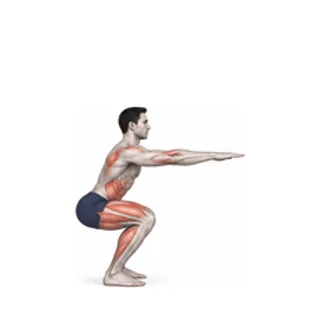
The library also contains squat to calf raise. That entry joins a squat to a heel lift, with the heels lowered before the next squat. It therefore has more than one movement to coordinate. Do not treat it as the same exercise just because its title includes “calf raise.”
Compare the two pages side by side before choosing. Ask whether you want to learn the heel lift itself or practise the complete sequence. Selecting a more complex card is not required to record progress. For a broader view of available movements, browse the exercise library.
Record what you actually practised
A useful personal note can describe which support you used, whether you could return your heels steadily, and why you stopped. Keep that separate from a website completion mark. For example, “reviewed the demonstration and prepared a stable chair” describes a different activity from “practised several controlled repetitions.” Neither note needs a claim about calories or a promised result.
If a timed workout includes another movement, review that movement’s instructions independently. A countdown records time; it does not check whether a chair is secure or a repetition is controlled. You can pause to make the setup clear.
Know when general instructions are not enough
Stop if you experience pain, dizziness or feel unwell. If standing support is uncertain, or you are managing an injury or a condition that affects exercise, ask a suitable healthcare professional for individual guidance before attempting the movement. This article is educational and is not a rehabilitation plan.
Prepared by the DailyHomeFit editorial team. Source: NHS strength exercises, checked 23 October 2026. No personal training assessment, professional review or specific fitness outcome is claimed.



 Pedal Resistance Trainer
 Figure-8 Resistance Band
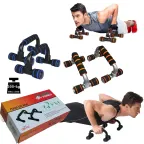 Foam-Grip Push-Up Bars
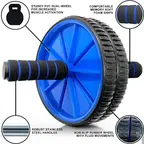 Dual-Wheel Ab Roller with Knee Mat
 Adjustable Jump Rope
 Adjustable Hand Gripper
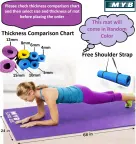 6 mm Exercise Mat
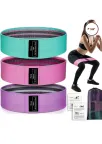 Fabric Resistance Loop Set
 Yoga Stretching Strap
 EVA Foam Yoga Block