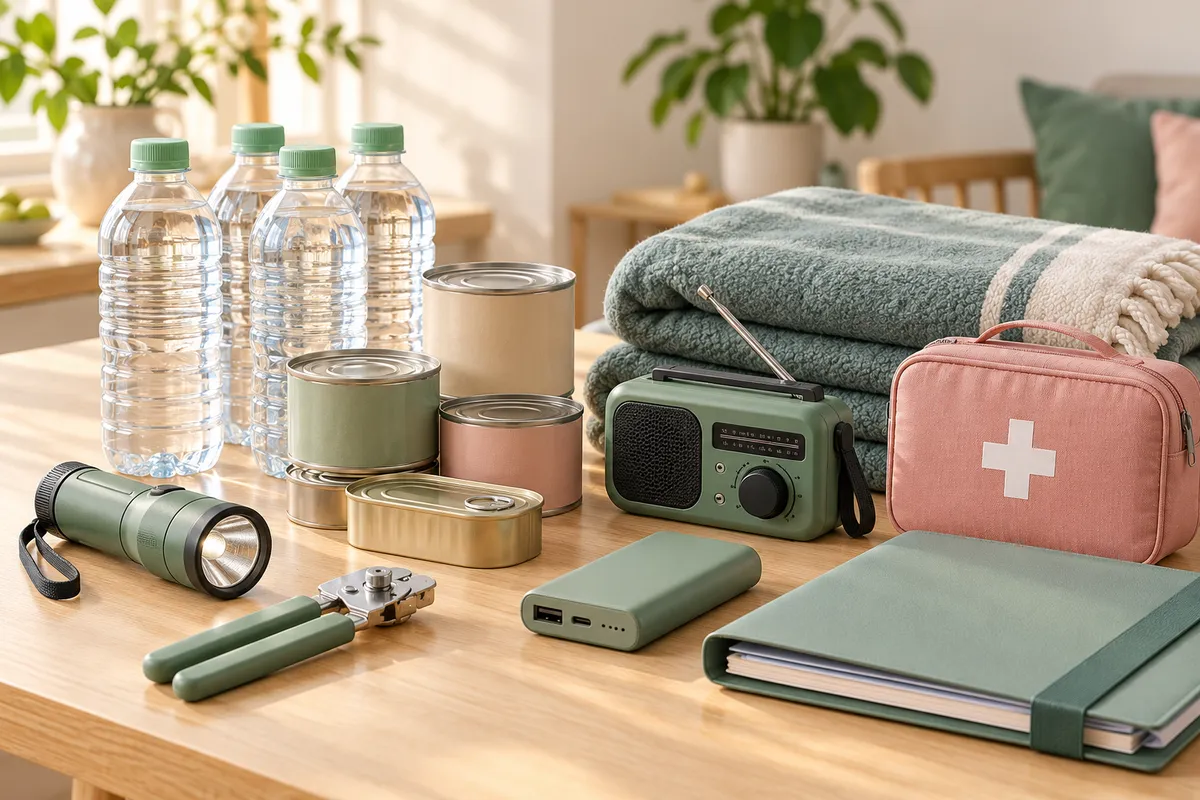
An emergency preparedness kit is a small, organized reserve that helps a household manage a disruption. Start with water, familiar food, essential medicines and a way to receive reliable information. Build it around the people who actually live in the home, rather than buying a dramatic “survival” bundle.
This guide is general household preparedness information, not a warning that a crisis is imminent. During an incident, follow local authorities; leave promptly if instructed. Supplies must never become a reason to remain somewhere unsafe.
Start with one household page
Write down who needs help, where everyone could meet and who can be contacted outside the affected area. Add a backup arrangement for school pickup or caring for someone who lives alone. Keep the page easy to find rather than buried in a phone that may run out of charge.
Use three columns: already at home, missing, and needs professional advice. A flashlight belongs in the first two; backup power for medical equipment belongs in the third. This makes the shopping list smaller and the important unanswered questions visible.
United States: calculate water before shopping
Oklahoma emergency management recommends at least three days of water at one US gallon per person daily, plus three to five days of shelf-stable food. One US gallon is about 3.8 litres.
For two people, that water example is six gallons, roughly 23 litres, over three days. It is a planning calculation, not a personal drinking prescription. Check local advice and additional household needs before deciding quantities.
Canada: tailor a 72-hour kit
Canada’s checklist starts with at least 72 hours and stresses individual household needs. Check provincial or territorial advice, especially where help or supplies may take longer to reach the home.
Europe: use the country’s own guidance
The EU preparedness strategy includes developing guidance for at least 72 hours of household self-sufficiency. It is not one identical packing rule for every European country. Germany’s food-preparedness portal advises a ten-day food reserve; the UK Be Ready checklist refers to three days of supplies. Europe and the EU are not interchangeable.
Bookmark the national civil-protection service and the local council or municipality. Record the date checked beside the link. Recheck that advice before relying on an old screenshot shared in a group chat.
Which food belongs in an emergency kit?
Choose familiar shelf-stable meals that can be eaten without cooking, with a manual opener where needed. Include dietary needs and avoid planning around a freezer alone. Germany’s food-preparedness guidance also emphasizes ordinary eating preferences and provisions usable cold.
Try a paper exercise: write breakfast, lunch and dinner for one day using only the cupboard list. What is missing—a usable opener, safe water or a meal someone can actually eat? Fix that gap before buying another large pack. Keep cooking oil in normal food quantities if those meals need it; it is separate from vehicle or generator fuel.
Medicines need an individual plan
Ask a pharmacist about lawful emergency refills and temperature-sensitive storage; keep the medicine list and prescription copies current. FDA guidance explains these steps. Do not change doses or stockpile medicines prescribed to somebody else.
Make a short appointment checklist: refill access, refrigeration during outages, medical-device power and whom to call if supplies are damaged. General online advice cannot settle those individual questions.
Fuel is not ordinary pantry stock
Massachusetts fire-safety guidance requires approved gasoline containers and storage away from living areas. Ask the local fire service about fuel type, legal limits and suitable storage before buying diesel or petrol. Never use food or drink bottles.
CDC carbon-monoxide guidance says generators belong outdoors, more than 20 feet (about six metres) from doors, windows and vents; never inside a home or garage. Camping stoves and charcoal must not be used indoors.
A final check before closing the box
- Identify water, usable meals, medicines and personal-care needs first.
- Check light, charging, first aid, warm clothing and important contact details against the local official checklist.
- Put portable essentials somewhere everyone can identify and reach.
- Assign one person to check dates and another to test whether the plan is understandable.
- Add a calendar reminder and replace items through normal household use, without clearing shop shelves.
There is no perfect universal emergency kit. A modest reserve with a clear plan is more useful than expensive equipment nobody understands. For how DailyHomeFit prepares general information, read About us and our disclaimer.


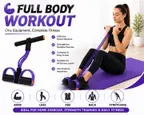 Pedal Resistance Trainer
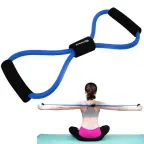 Figure-8 Resistance Band
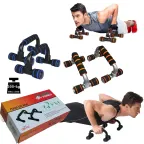 Foam-Grip Push-Up Bars
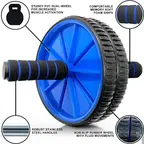 Dual-Wheel Ab Roller with Knee Mat
 Adjustable Jump Rope
 Adjustable Hand Gripper
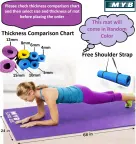 6 mm Exercise Mat
 Fabric Resistance Loop Set
 Yoga Stretching Strap
 EVA Foam Yoga Block