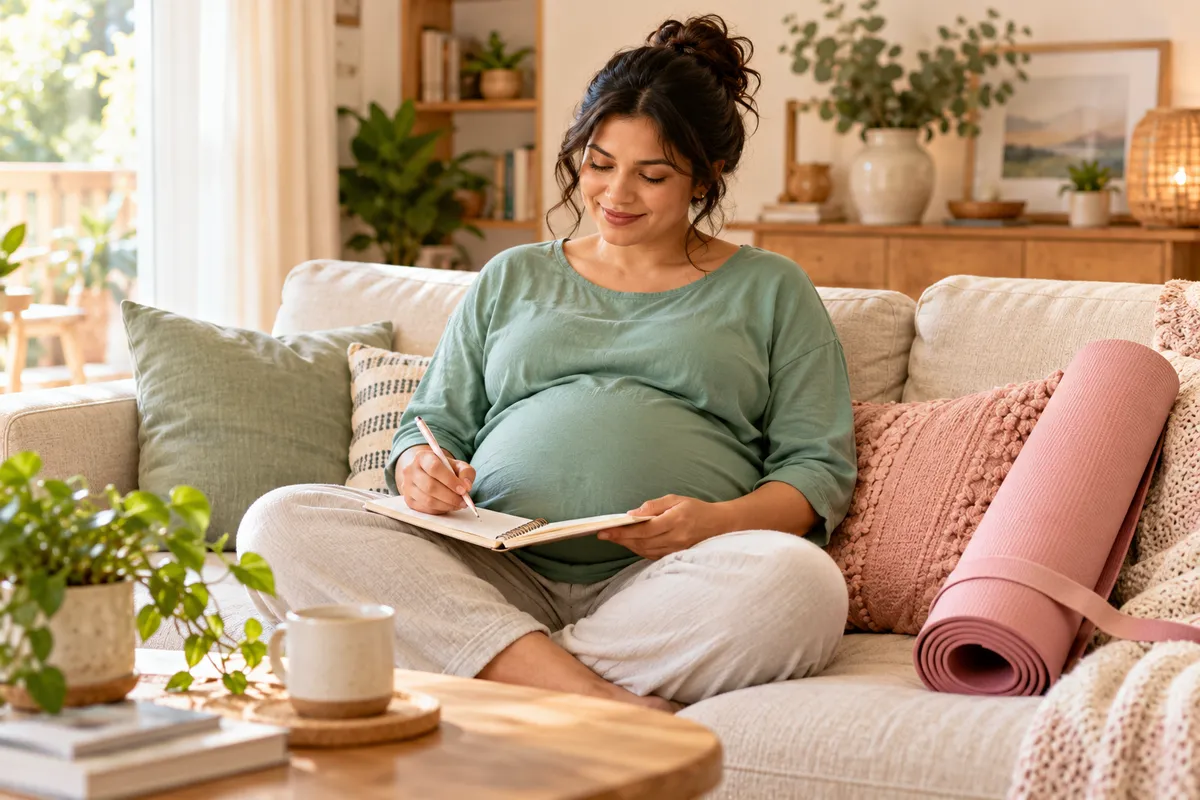
Pregnancy exercises at home need more than a list of easy-looking movements. Start with advice from your maternity care team, then choose instructions that explain how the activity fits pregnancy and your current circumstances. A beginner label on an ordinary workout is not a prenatal assessment.
Discuss the activity you actually intend to do
Bring a specific example to your appointment: walking indoors, following an online class or continuing a familiar activity. Ask whether your pregnancy or medical history changes the advice, what modifications you need and when to check back. General information cannot establish individual suitability.
ACOG's exercise guidance advises discussing exercise during prenatal visits. It identifies walking and appropriately modified yoga or Pilates among possible activities, while distinguishing them from activities with collision, fall or overheating risks.
Preview before pressing play
Read the complete movement list. Check whether the instructor provides pregnancy-specific alternatives, explains position changes and lets you pause. A session that only replaces jumps may still include unsuitable positions or demands. Write down anything you cannot assess and ask your care team or a suitably qualified prenatal instructor.
Prepare an uncluttered area and keep the pause control within reach. Review the first position before starting the video. A screen demonstration shows a sequence; it cannot observe your balance, symptoms or breathing.
Keep a practical session note
Record the activity, how long you actually did it and questions you want to discuss. Avoid treating the video's total runtime as exercise completed. For example, a fifteen-minute video with introductions and pauses does not necessarily contain fifteen minutes of activity.
Your note can simply say: activity chosen, advice received, changes made and follow-up question. It is a communication aid, not a fitness score or a medical record to share publicly.
Know when to stop
ACOG lists warning signs including vaginal bleeding, dizziness, chest pain, fluid leakage and regular painful contractions. Stop exercising and contact your maternity care provider if warning signs occur. Severe symptoms need urgent medical attention.
The DailyHomeFit blog also covers general home fitness. Its ordinary workouts and GIFs are not pregnancy-specific programmes. Use the exercise disclaimer to understand that boundary before choosing a session. This is general education, not personal medical advice.

 Pedal Resistance Trainer
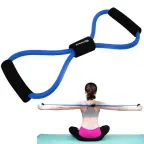 Figure-8 Resistance Band
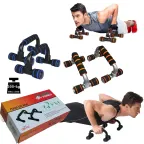 Foam-Grip Push-Up Bars
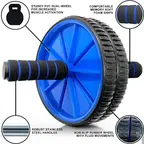 Dual-Wheel Ab Roller with Knee Mat
 Adjustable Jump Rope
 Adjustable Hand Gripper
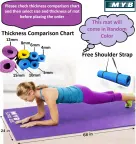 6 mm Exercise Mat
 Fabric Resistance Loop Set
 Yoga Stretching Strap
 EVA Foam Yoga Block