Ab workouts for women at home can start with learning a few core movements and choosing versions you can control. A useful session has clear instructions and room to adjust; a long list of increasingly difficult abdominal exercises is not automatically a better workout.
Your core involves more than the visible abdominal muscles. Mayo Clinic describes core training as work involving the muscles around the abdomen, back and pelvis. This guide helps you compare the site’s demonstrations and find an actual home-core session, without treating exercise as a guarantee of a flat stomach.
Compare four movement options
- Bird dog starts on hands and knees. The demonstration pairs opposite limbs; its gentler option is to move one arm or one leg at a time.
- Dead bug is performed lying down. The page includes a heel-tap option with the arms staying still.
- Glute bridge is another lying movement. The page suggests using a smaller lift when that is more manageable.
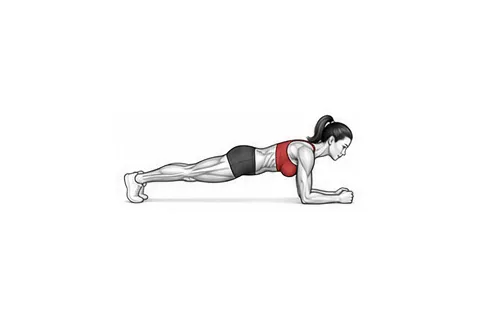
- Forearm plank is a supported hold. Keeping the knees on a mat and holding briefly is the easier option shown on its page.
Choose by the position you can manage today. A floor movement may be impractical if getting down and up is difficult, even when its library label says Beginner. A mat can improve comfort, but it does not correct technique by itself.
Learn the easier option first
Open each exercise page before starting a timed session. Read the instructions, watch the GIF and compare the gentler option. Keep the movement controlled and continue breathing. The demonstration cannot assess your back, neck or shoulder position for you.
For a plank, the goal is a hold you can control rather than the longest possible countdown. For a moving exercise, a smaller comfortable range may be more appropriate than reaching farther. If you are uncertain about your form, ask a qualified fitness professional rather than relying on an animation alone.
Choose an existing Women’s core session
DailyHomeFit has two relevant standalone sessions: Gentle core, steady start and Build your core control. Their pages show the actual movement order, equipment and experience level. The names are descriptions, not guarantees that every exercise will suit you.
Read the full list before pressing start, and pause when you need more time. The Women’s challenge is a separate scheduled programme with recovery days. Its Daily, Weekly and Monthly views display the same challenge progress; they are not three different training plans.
Core training and belly-fat questions
Core exercises can form part of a wider activity routine. Mayo Clinic explains that abdominal exercises alone do not remove belly fat. Avoid turning a core session into a promise of fat loss from a specific area, or treating someone else’s appearance as a reliable forecast of your results.
Use the Mayo Clinic core-exercise overview for the full explanation. Its core-strength exercise guide provides additional technique examples. Strength work, other activity and recovery have different roles in a broader routine.
A practical next step
Explore the Women’s exercise library, select a few movements to read, then compare the published sessions. Record which options you used and allow time to recover. You can stop or adjust a session instead of finishing a checklist at any cost.
Stop if a movement causes pain. This is general information for adults; pregnancy, postpartum recovery, injuries and medical conditions need individual guidance from an appropriate professional.
Sources: Mayo Clinic, Core exercises: why you should strengthen your core muscles and Exercises to improve your core strength. Movement links refer to DailyHomeFit’s library.