
Desk exercises are easier to plan when you first decide what the break is for. Stepping away from the keyboard can be a chance to move and change your position. It does not need to become a rushed circuit squeezed between calls. This guide explains how to prepare a short movement break using DailyHomeFit’s existing exercise pages, without treating office furniture as gym equipment.
Give the break one purpose
The NHS exercise overview advises reducing long periods of sitting as well as being active. A movement break and a planned workout serve different practical purposes: one interrupts desk time; the other follows a chosen exercise sequence. Keep both in view rather than assuming that a completed workout removes the need to leave your chair during the rest of the day.
Choose a convenient point to step away, such as after finishing a document. This is a scheduling example, not a prescribed break frequency. Close or pause the task first so you can give the movement your attention.
Prepare a space beside the desk
- Move cables, bags and loose objects out of the area where your feet will move.
- Put down anything you are carrying, including a hot drink.
- Use a clear, stable floor rather than a chair mat with an uneven edge.
- Keep an easy route back to your seat.
A desk or a rolling chair may move when loaded. Do not assume it is suitable support for push-ups or balance work. If your space is unsuitable, choose another area rather than forcing an exercise into it.
Review one familiar movement
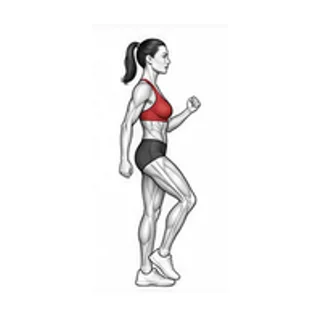
Open the marching demonstration and read its instructions and easier option before starting. The page explains alternating steps and a controlled pace. Watch one complete cycle rather than copying only the lifted-knee position. You do not have to match the looping image’s apparent speed or height.
Choose movement you can manage comfortably and stop if you feel pain, dizziness or unwell. An animation cannot assess your balance or decide which activity is suitable for you. Get individual advice when a health condition, injury or uncertainty about standing changes what you can do.
Decide whether you want a break or a session
If you want a structured sequence instead, inspect the three-minute standing starter. Read every movement, including the wall support needed for wall push-ups, before pressing start. A routine’s title does not mean it fits between any two meetings; setup, pauses and transitions also take time.
For a break, a simple note such as “left the desk and moved in the clear space” may be enough. For a workout, record the actual session separately. Neither record measures medical benefit or proves a particular intensity.
Keep the next break practical
Notice what got in the way: a crowded floor, an inconvenient reminder or instructions you had not read. Fix that practical obstacle before adding more exercises. Explore the exercise library when you have time to compare movements, rather than selecting a new one while a call is starting.
Prepared by the DailyHomeFit editorial team. Educational information, not individual exercise or workplace medical advice. NHS source checked 22 October 2026.



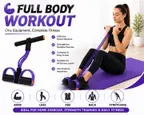 Pedal Resistance Trainer
 Figure-8 Resistance Band
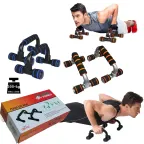 Foam-Grip Push-Up Bars
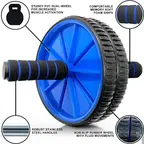 Dual-Wheel Ab Roller with Knee Mat
 Adjustable Jump Rope
 Adjustable Hand Gripper
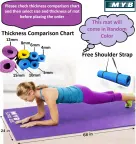 6 mm Exercise Mat
 Fabric Resistance Loop Set
 Yoga Stretching Strap
 EVA Foam Yoga Block