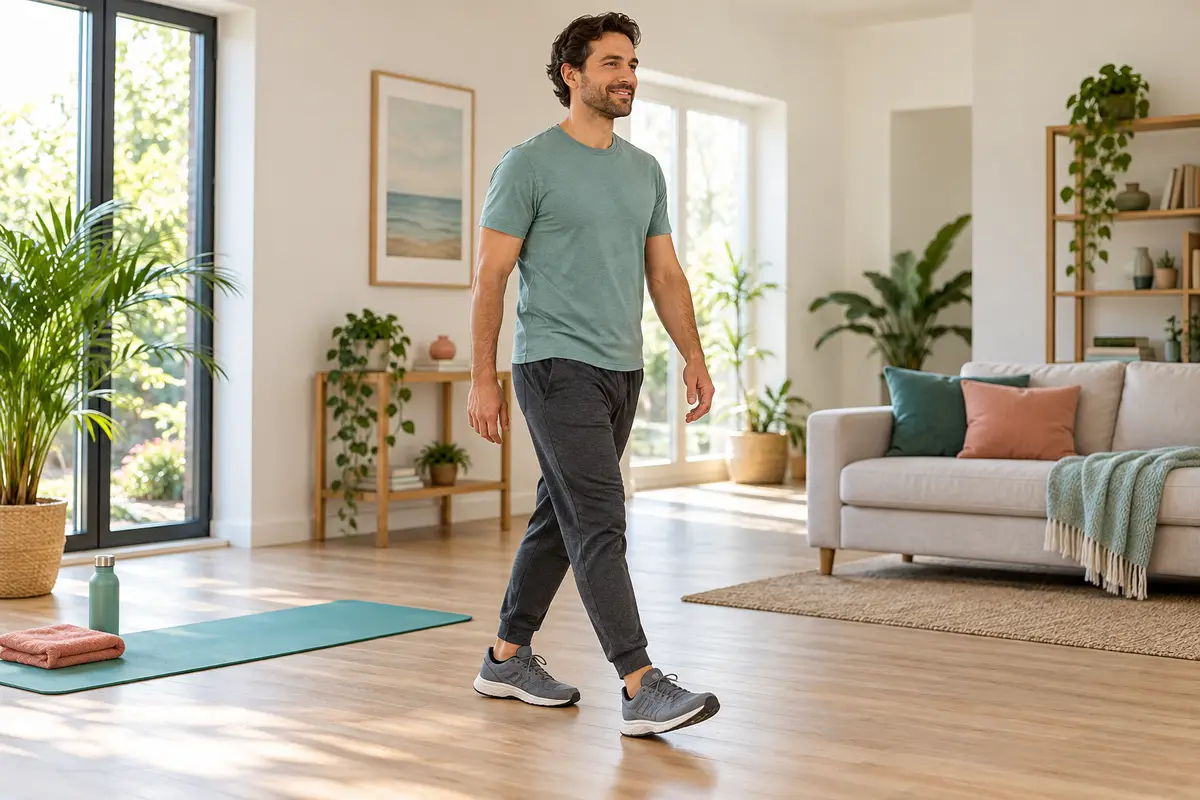
A cool-down after a home workout is a gradual transition out of the main effort. Leave room for it after the final interval instead of treating the countdown as an instruction to stop abruptly or rush into the next task.
The American Heart Association advises slowing walking for 5–10 minutes to let the heart rate decrease gradually. That is general guidance for a suitable activity, not a requirement to keep walking through pain, dizziness or feeling unwell. Stop and seek appropriate help for concerning symptoms.
Allow time beyond the workout label
Our standing no-equipment session displays 9 minutes, including its programmed rests. Its final interval is marching. The full-body reset displays 11 minutes and ends with a bridge on the floor. Neither number adds a separate warm-up or cool-down routine.
Those different finishing positions matter. After a floor exercise, lower out of the movement with control and take time to reset before changing position. Keep the route around the mat clear. Move the device or put equipment away when you are stable, rather than reaching while a hand or leg is still supporting you.
A demonstration is not a pace target
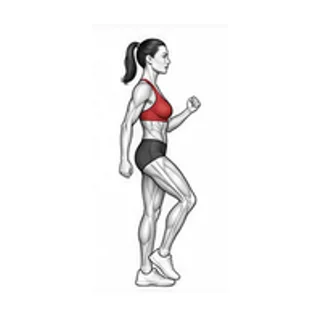
The accompanying animation shows our march-in-place movement, whose easier option is slower marching with smaller steps. It is one library example to review, not a complete cool-down sequence or an instruction to match the visible knee height and speed.
Read the instructions before choosing it. If standing or stepping does not suit your balance, symptoms or circumstances, seek a suitable alternative. The site cannot determine whether a movement is appropriate for you, and there is no need to add another timed circuit just because a demonstration is available.
Choose stretches for suitability, not a bigger range
The NHS post-exercise stretching guide gives an example sequence with instructions for different positions. It also notes that injury, medical conditions and pregnancy may require changes with professional guidance. Read the complete source before choosing a stretch.
A standing calf stretch and a lying thigh stretch need different space and supports. Do not treat their names as interchangeable, or copy a silhouette without checking how to enter and leave it. Avoid painful stretching or bouncing. The animation on this page demonstrates marching, not those stretches.
Keep one useful note for next time
Record the routine, any easier option you used and whether you needed longer transitions or pauses. “Finished the session” and “felt ready for more” are different observations. A browser completion mark cannot assess form or establish that recovery is complete.
Before selecting another session, review your schedule and how the previous choice felt. The two-week plan leaves gaps between scheduled sessions; they do not need filling simply because another workout card is visible. For the next visit, keep the warm-up guide alongside the movement list.
Published by DailyHomeFit. Sources and session details checked 30 October 2026. General adult fitness information; no individual assessment, guaranteed recovery time or professional review claimed.



 Pedal Resistance Trainer
 Figure-8 Resistance Band
 Foam-Grip Push-Up Bars
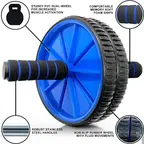 Dual-Wheel Ab Roller with Knee Mat
 Adjustable Jump Rope
 Adjustable Hand Gripper
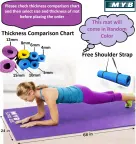 6 mm Exercise Mat
 Fabric Resistance Loop Set
 Yoga Stretching Strap
 EVA Foam Yoga Block