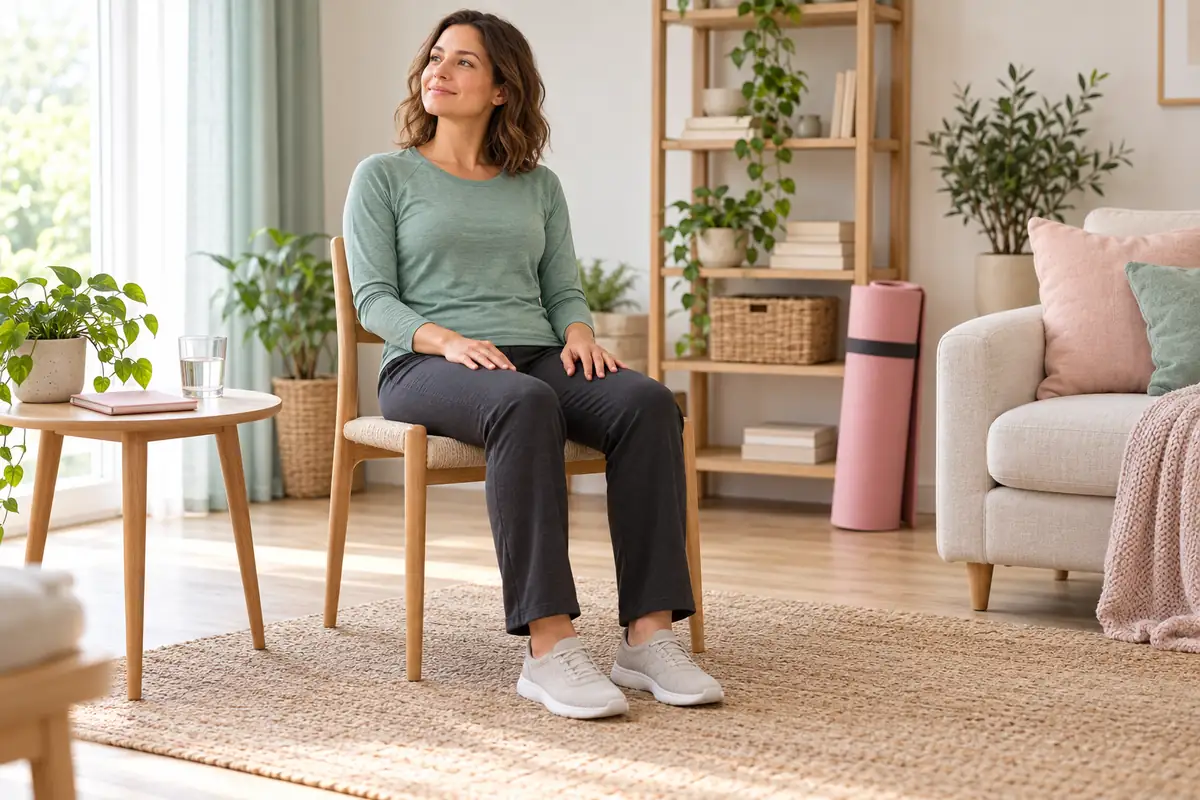
A rest day leaves space between demanding home workouts. Active recovery means choosing lower-demand movement, such as a comfortable walk, rather than another hard session. Either choice can belong in a manageable routine; a free day on the calendar does not need to become another fitness target.
This guide focuses on making recovery space in DailyHomeFit's existing schedule. It does not diagnose soreness or decide when someone is medically ready to train. The useful starting point is the activity already done, the next planned session and how manageable ordinary movement feels.
Rest between intervals is different from a rest day
An interval break gives time to pause or change position during a workout. A day away from demanding training changes the wider schedule. Finishing every short timer break does not show that the body is ready for another session later that day.
Mayo Clinic's strength-training guide recommends a full day between strength sessions for the same muscle group. That is general guidance, not a countdown proving individual readiness. Work, sport and other activity outside the website also contribute to the demands of a day.
Look at the actual gaps in the plan
The two-week starting plan schedules workouts on days 1, 3, 5, 8, 10 and 12. There are spaces between those sessions. Read the next workout instead of automatically filling every space with a different circuit.
For example, after the full-body session on day 1, day 2 can stay free of a scheduled DailyHomeFit workout. Before day 3, review the standing and floor positions in gentle core. The plan is an option to assess, not a promise that everyone should follow its dates unchanged.
If a session is missed, keep the record accurate and choose a manageable next step. Packing two sessions into an evening simply to catch up changes the workload; it does not recreate the original schedule.
Keep active recovery easy to organise
A short, comfortable walk or ordinary relaxed movement may fit a lighter day. There is no requirement here to meet a step count, burn calories or complete another timed workout. A day with household tasks or a physically demanding job is not empty just because no session appears in the journal.
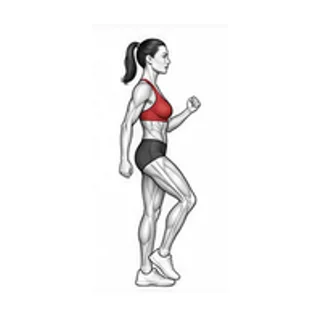
The optional marching demonstration shows a movement available on the site. Its animation speed does not establish how easy it will feel. Use comfortable steps, keep enough space around you and omit the movement if it is unsuitable. Watching a demonstration is a valid learning choice; it is not a workout to tick off.
Before returning, review one practical detail
Open the next routine and check its movements and equipment. Your full-body reset includes floor work and a mat. Preparing that space before starting can prevent rushed transitions. The warm-up guide and each exercise's easier option are useful companions.
Compare one factor at a time: perhaps a gentler option, a smaller movement range or more time between positions. A previous completion does not require repeating the same difficulty. The AAOS introduction to strength training also discusses leaving recovery time between sessions for a muscle group.
Keep a useful record without a recovery score
- Write down the session actually done, including any easier option or extra pause.
- Distinguish a learning day from a completed workout.
- Leave room to move a planned session instead of treating its date as a deadline.
A journal entry describes website activity. It cannot measure tissue recovery, explain pain or guarantee readiness for more exercise. If a movement causes pain, dizziness or feeling unwell, stop and seek appropriate individual advice. Do not use this article to decide that symptoms are harmless.
For a broader introduction, see bodyweight exercises for beginners. Prepared by the DailyHomeFit editorial team as general adult fitness information. Sources checked 31 October 2026; no personal assessment, trainer review or recovery outcome is claimed.



 Pedal Resistance Trainer
 Figure-8 Resistance Band
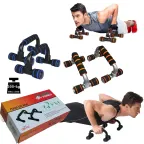 Foam-Grip Push-Up Bars
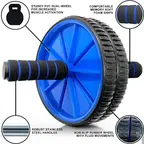 Dual-Wheel Ab Roller with Knee Mat
 Adjustable Jump Rope
 Adjustable Hand Gripper
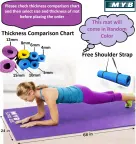 6 mm Exercise Mat
 Fabric Resistance Loop Set
 Yoga Stretching Strap
 EVA Foam Yoga Block