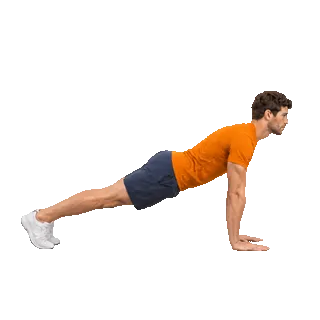
Animation loads only when you press play.
Push-up
Learn push-up with a movement preview, clear instructions, and a gentler option.
How to do push-up
Place hands just wider than shoulders. Keep your body straight as you bend your elbows and lower your chest. Push back up with control.
Browse related home exercises → · Men’s home workouts and challenge →
Move with control, breathe steadily, and stop if you feel pain.
Find a chest session →Form and movement guide
A push-up trains the chest and triceps while the trunk stays steady. Choose a wall or knee version if you cannot control the floor movement.
Step-by-step instructions
- Place your hands slightly wider than your shoulders on a firm, non-slip surface. Extend your legs and keep your head, trunk and hips aligned.
- Bend your elbows and lower your body together through a comfortable range. Keep your abdomen engaged and avoid dropping your hips.
- Press back up smoothly without bouncing. Breathe steadily and end the set when you can no longer maintain control.
Muscles involved
The chest and triceps produce the pushing action; the abdominal muscles help steady the trunk.
Three common mistakes
- Hips sagging: use an easier version before your alignment breaks down.
- Bouncing at the bottom: lower and press with a smooth, controlled movement.
- Forcing depth: use a comfortable range instead of pushing through pain.
Easier options and progression
Start at a solid wall if floor push-ups are too demanding. A knee push-up shortens the lever, but still requires trunk control. Progress only when the current version stays comfortable and controlled; there is no required timetable.
General exercise information. Stop if a movement causes pain; seek individual advice if you are unsure whether it suits you.
Source and further reading: NASM push-up exercise guide
View a session using this movement →Compare wall and knee push-ups: Wall push-up · Knee push-up
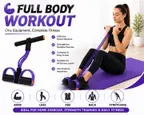 Pedal Resistance Trainer
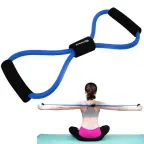 Figure-8 Resistance Band
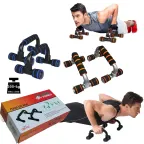 Foam-Grip Push-Up Bars
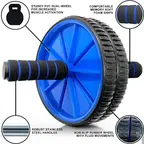 Dual-Wheel Ab Roller with Knee Mat
 Adjustable Jump Rope
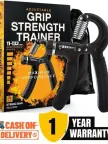 Adjustable Hand Gripper
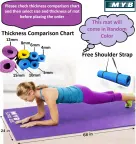 6 mm Exercise Mat
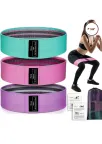 Fabric Resistance Loop Set
 Yoga Stretching Strap
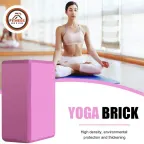 EVA Foam Yoga Block