
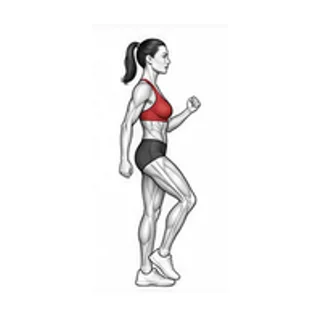
During moderate-intensity aerobic activity, a person can usually talk but would find singing difficult. Needing a breath after only a few words points toward vigorous effort. The CDC talk-test guidance uses this distinction as a practical guide, not a personal medical assessment.
Understand what the talk test means
The CDC guide to physical activity intensity describes moderate aerobic effort as activity during which you can talk but not sing; vigorous effort allows only a few words before a breath. This is a rule of thumb, not medical clearance.
Use that distinction to understand an activity you are already able to do safely. It is not a challenge to make yourself breathless. If you are uncertain about exercising because of symptoms, an injury or a health condition, seek individual advice before using a general guide to choose your effort.
Separate three different labels
- Exercise name: tells you which movement the page describes.
- Difficulty level: helps organise the library and does not measure your current effort.
- Session duration: describes the programmed intervals and rests, not an individual intensity assessment.
For example, the marching page explains alternating steps. Its title does not establish how demanding those steps feel for you. Likewise, finishing a Beginner routine does not prove that every minute met a moderate aerobic threshold.
Read the complete workout before starting
Inspect the no-equipment starter, including its movement list and rests. The wall push-up and squat instructions need attention in their own right; a breathing check does not replace their form cues or easier options.
If you pause to read, adjust your space or rest, keep that time distinct in your own notes. Do not race through a transition to make the timer appear continuous. The website can guide a sequence, but it does not measure breathing or decide whether an interval qualifies as aerobic activity.
Make a useful activity note
Instead of writing only “ten minutes of cardio,” describe what you actually did: the chosen activity, pauses, and whether the session felt manageable. You may note that you reviewed the talk-test description without claiming that the website measured it.
A completion mark is a software record, not a fitness assessment. Keep it separate from medical targets or a claim about calories burned. If you need a personal activity plan, discuss your circumstances with a qualified professional rather than converting every completed timer into the same type of exercise minute.
Choose a manageable next step
Read a familiar movement first, check the available space and leave room to pause. Stop for pain, dizziness or feeling unwell. A more demanding routine is not required simply because you have read about intensity.
Use the beginner bodyweight guide to compare movements and their supported options. Choosing the right starting movement and understanding aerobic effort are related decisions, but one does not replace the other.
Prepared by the DailyHomeFit editorial team. General adult fitness education, not an individual exercise prescription. CDC source checked 29 October 2026.
Connect effort with preparation
Use the warm-up guide to prepare before starting a session. The calisthenics learning schedule can help organise practice, but completing its calendar does not prove that each minute was moderate aerobic activity.


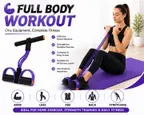 Pedal Resistance Trainer
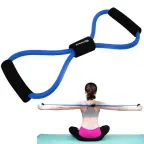 Figure-8 Resistance Band
 Foam-Grip Push-Up Bars
 Dual-Wheel Ab Roller with Knee Mat
 Adjustable Jump Rope
 Adjustable Hand Gripper
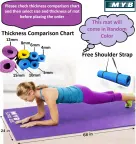 6 mm Exercise Mat
 Fabric Resistance Loop Set
 Yoga Stretching Strap
 EVA Foam Yoga Block