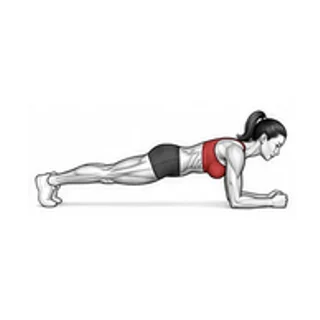
A forearm plank is a supported hold: your trunk stays controlled while your forearms and lower body carry your weight. Start with a position you can manage and keep breathing. The countdown is not a reason to stay up after your position changes.
The forearm plank page is labelled Intermediate in our library. Its easier option is knee support with a shorter hold. This guide explains those choices; neither a label nor a demonstration can assess your own readiness.
Put the screen outside your support space
Clear enough floor for your full body, including room to lower down. Place the mat on a stable surface and check that it does not slide. Watch the demonstration before taking your weight through the forearms. Reading a phone between your elbows can make the next instruction hard to see without turning your head.
If you need to adjust the screen, finish the attempt first. Set up again rather than reaching with an arm that was supporting you.
Follow the library cues
- Place the forearms beneath the shoulders.
- Step the feet back and keep the body line controlled.
- Breathe steadily during the hold.
- Finish before the hips sag, lowering with control.
ACE's front-plank guide also emphasizes breathing and a controlled return. Read its full guidance if you need another reference. The demo here shows the full forearm position, not a separate knee-supported demonstration.
Choose the shorter option deliberately
Keeping the knees on the floor changes the support arrangement. Mayo Clinic's core-exercise guide includes a modified plank supported through forearms and knees. Use the written setup rather than merely copying the full version's silhouette.
Choose your option before starting an interval. Note what you actually used: knee support or feet, a short attempt or more than one attempt. Comparing two timer completions without those details tells you little about how the practice changed.
A 30-second card is not a required hold
Core control repeats march, dead bug, bird dog and plank three times. That gives 12 movement intervals, including three plank entries. Each movement interval is 30 seconds, with 15-second rests between intervals. Those are software settings, not a personal endurance test.
You can finish a hold early, rest longer or pause to reset. The preceding bird dog also uses floor support, so review that transition before assuming a different exercise means the shoulders have rested.
Decide when to stop
End the attempt if you cannot keep the position controlled or continue breathing comfortably. Stop for pain, dizziness or feeling unwell. Seek individual advice for an injury, medical condition, pregnancy or uncertainty about weight-bearing support. For a broader introduction, see Bodyweight Exercises for Beginners.
Published by DailyHomeFit. Sources and session settings checked 28 October 2026. General adult fitness information; no personal assessment or claimed expert review.



 Pedal Resistance Trainer
 Figure-8 Resistance Band
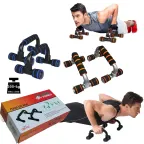 Foam-Grip Push-Up Bars
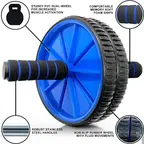 Dual-Wheel Ab Roller with Knee Mat
 Adjustable Jump Rope
 Adjustable Hand Gripper
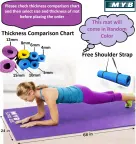 6 mm Exercise Mat
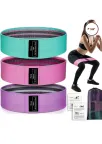 Fabric Resistance Loop Set
 Yoga Stretching Strap
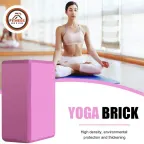 EVA Foam Yoga Block