A quiet home workout starts with the way movements interact with your floor, walls and available space. Choosing exercises without jumping may reduce impact noise, but it cannot guarantee that neighbours will hear nothing. Floor construction, footwear, pace and movement control all affect the experience.
This guide helps you compare the positions already shown in DailyHomeFit’s library. It does not invent a new silent circuit or promise that a particular routine is suitable for every apartment. Start by reviewing individual demonstrations, then choose a published session whose complete sequence fits your space and circumstances.
Separate noise, space and difficulty
These are three different checks. A movement can be quiet while demanding substantial effort. It can fit on a mat yet require careful floor transitions. It can avoid jumping while still involving balance, wrist support or repeated knee bending. Use the exercise instructions to understand those demands instead of treating No jumping as a personal suitability label.
Look at the contact points in the demonstration. Does a foot land repeatedly? Do hands or knees change support positions? Is there a reach beyond the edge of the mat? Think about the return and transition as well as the most recognizable part of the exercise. A quiet starting position can become noisy when you rush to get out of it.
Make the same distinction when reading a workout title. No equipment tells you about listed exercise equipment, not the amount of space, noise or support you will need. Check the movement list and its equipment notes before starting any timer.
Compare a few useful library examples
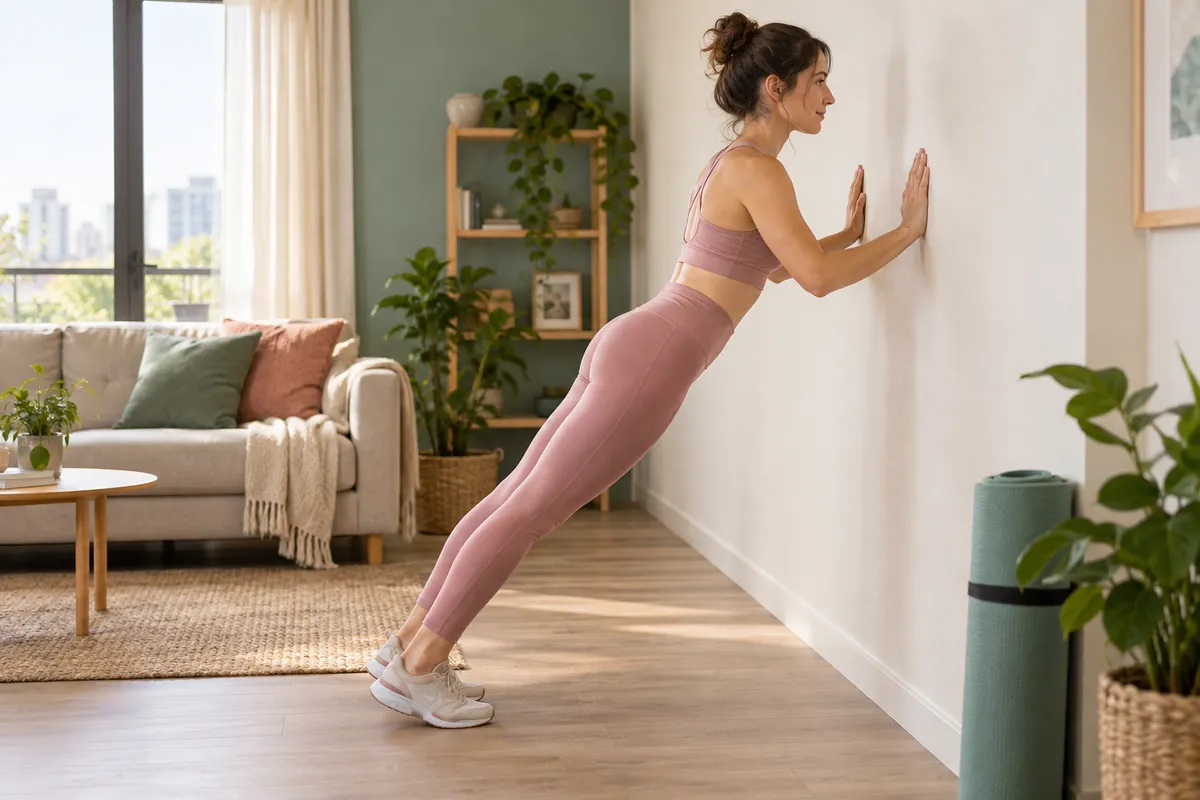
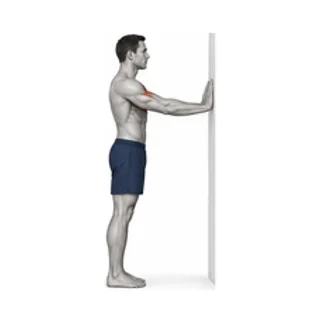
The wall push-up uses standing support against a solid wall. It avoids a floor transition during the movement itself, but you still need stable footing and room to lean and return. Do not use a movable partition or furniture as if it were the wall shown in the instructions.
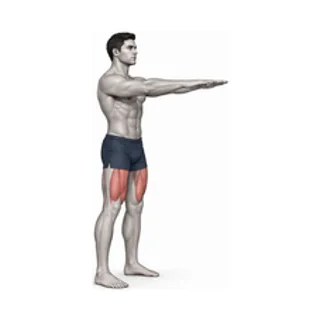
The bodyweight squat is another standing option to inspect. Its easier version uses a smaller range. Pay attention to control of the lowering and return rather than trying to move deeper or faster to match an animation. A squat is not automatically comfortable because it stays in one small area.
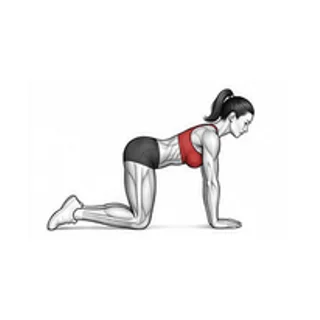
Bird dog, dead bug and glute bridge use floor positions. They may avoid repeated foot landings, while needing a mat-sized clear area and enough room for limbs to reach. Review how you will get down, turn and stand up. These are examples to compare, not instructions to perform all five as a circuit.
Measure the movement area practically
Clear loose objects, cables and furniture from the area before you begin. Check the full reach of the actual demonstration. A position that fits while the arms are tucked may need more room when an arm reaches forward or a leg extends backward. Keep a clear route to the wall if the sequence uses both wall and floor movements.
Choose a surface that remains stable under your contact points. A mat may make floor contact more comfortable, but it should not slide or fold beneath you. Avoid stacking unstable layers in an attempt to silence every sound. Quietness should not come at the cost of reliable support.
Place the screen where you can review the next movement before entering a supported position. Looking up from a floor exercise or twisting to see a phone can interfere with control. If the movement requires more room or a different screen position than expected, pause and reset the area.
Read the whole published sequence
The No-equipment starter uses marching, squat and wall push-up. It stays in standing positions, but marching still involves repeated foot contact. Review its pace and your floor rather than assuming the session is acoustically silent.
The full-body session adds bird dog and bridge. It therefore involves transitions between standing, wall support and floor positions. Those transitions require time and clear space, even when the exercises themselves do not involve jumping.
Both pages list the actual order, interval duration, rests and equipment. Repeated cards indicate repeated intervals, not necessarily different movements. If part of a session does not fit the available area or your needs, choose a different published option instead of trying to squeeze through an awkward transition.
Use pace and pauses sensibly
A looping animation shows a sequence. It does not dictate how fast you must repeat it. Use a pace that lets you control contact with the floor and return to the starting position. Rushing usually makes both control and noise harder to evaluate.
The timer can be paused for extra rest or a change of position. It does not measure the sound produced by your movement, check your alignment or count your repetitions. The current exercise GIFs have no audio, and the session interface relies on visible labels rather than a personal coach supervising the room.
If another person needs the shared space, pause and clear the area before continuing. A short session is still an activity that uses part of the room. Agreeing on a suitable time can be more practical than assuming equipment-free exercise has no effect on anyone nearby.
Keep the goal realistic
The useful aim is a manageable home practice that fits your environment. It is not a promise of a silent apartment, guaranteed weight loss or a complete training programme built from a few quiet-looking movements. Review comfort, stable support and recovery as well as noise.
Stop if you experience pain, dizziness or feel unwell. If a health condition, injury or another concern affects your choices, seek appropriate individual advice. For a broader movement menu, read Bodyweight Exercises for Beginners. For choosing a routine without hand weights, use the equipment-free workout guide.
Warm up and learn the movement first
Leave room for a warm-up before the main session. The NHS warm-up guide describes gradually preparing for exercise; its marching example still involves foot contact, so consider the room and floor rather than copying a pace blindly. For the standing wall movement, the NHS strength guide describes a slow lean towards the wall and a controlled return with a straight back. Read the linked instructions rather than using this cover photograph to judge your form.
A practical decision before pressing Start
If the room only allows standing movement, inspect the standing starter and its wall requirement. If there is clear floor space and comfortable access to it, compare the floor-based session. If neither fits, do not begin the timer and improvise around furniture. Review another option or return when the room is available. The useful decision is whether the complete sequence fits, not how many movements can be squeezed into the smallest corner.
Prepared by the DailyHomeFit editorial team as general adult fitness information. Sources checked 1 November 2026. Exercise examples come from the linked site instructions and published session lists. No acoustic testing, personal assessment, professional review or guaranteed outcome is claimed.



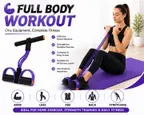 Pedal Resistance Trainer
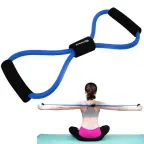 Figure-8 Resistance Band
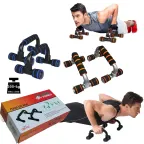 Foam-Grip Push-Up Bars
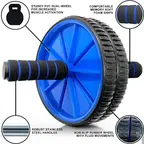 Dual-Wheel Ab Roller with Knee Mat
 Adjustable Jump Rope
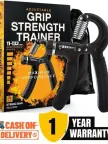 Adjustable Hand Gripper
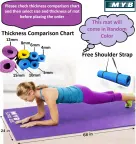 6 mm Exercise Mat
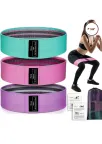 Fabric Resistance Loop Set
 Yoga Stretching Strap
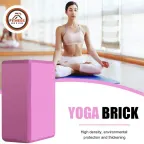 EVA Foam Yoga Block